Thyroid Gland Cancer Treatment
Thyroid Gland Cancer
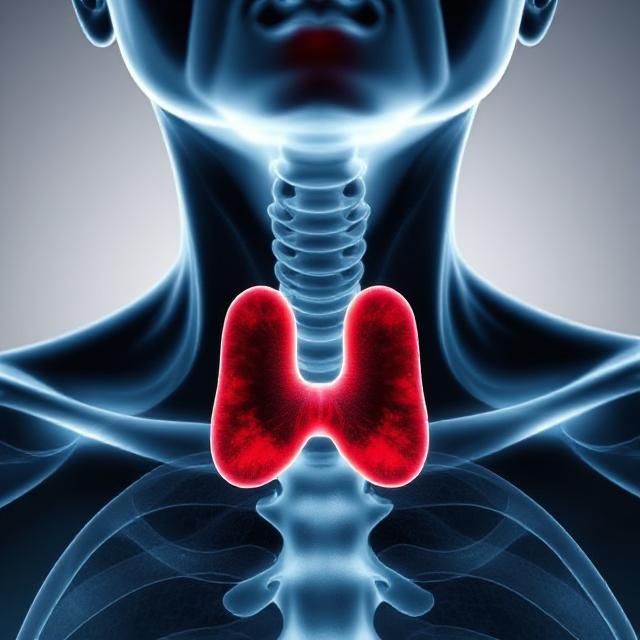
Thyroid cancer is a type of cancer that begins in the thyroid gland, a butterfly-shaped gland located at the base of your neck, just below your Adam's apple. The thyroid gland produces hormones that regulate your heart rate, blood pressure, body temperature, and weight. Most thyroid cancers are treatable, especially when found early.
Types of Thyroid Cancer
The main types of thyroid cancer include:
- Papillary Thyroid Cancer: The most common type, it grows slowly and often spreads to lymph nodes in the neck. It is usually very treatable.
- Follicular Thyroid Cancer: Also usually slow-growing, it can spread to lymph nodes and, less commonly, to distant parts of the body like the lungs and bones.
- Medullary Thyroid Cancer (MTC): A less common type that originates in C cells of the thyroid, which produce calcitonin. It can be associated with inherited genetic syndromes.
- Anaplastic Thyroid Cancer: A rare and aggressive type that grows rapidly and is difficult to treat. It often occurs in older adults.
- Thyroid Lymphoma: A rare type of cancer that begins in the immune cells (lymphocytes) within the thyroid gland.
Risk Factors
Factors that may increase your risk of thyroid cancer include:
- Radiation Exposure: Especially to the head and neck during childhood.
- Family History: Having a family history of thyroid cancer or certain inherited genetic syndromes.
- Female Sex: Thyroid cancer is more common in women than in men.
- Age: While it can occur at any age, papillary and follicular cancers are more common in younger adults, while anaplastic cancer is more common in older adults.
- Iodine Deficiency: Historically a risk factor, but less common in areas with iodized salt.
- Thyroid Nodules: While most thyroid nodules are benign, a small percentage can be cancerous.
Symptoms
Thyroid cancer may not cause any symptoms initially. As it grows, you may experience:
- A lump or nodule in the neck, which can sometimes be felt through the skin.
- Hoarseness or other voice changes.
- Difficulty swallowing.
- Pain in the neck or throat.
- Swollen lymph nodes in the neck.
Diagnosis
Diagnosing thyroid cancer typically involves one or more of the following:
- Physical Exam: Your doctor will feel your neck for lumps or swelling.
- Blood Tests: To check thyroid hormone levels and calcitonin levels (for MTC).
- Ultrasound: Uses sound waves to create images of the thyroid gland and can help assess nodules.
- Fine-Needle Aspiration (FNA) Biopsy: A thin needle is used to remove cells from a thyroid nodule for examination under a microscope. This is the most common way to diagnose thyroid cancer.
- Thyroid Scan: A radioactive iodine tracer is swallowed or injected, and a special camera shows how much iodine the thyroid gland absorbs. "Cold" nodules (not absorbing iodine) are more likely to be cancerous.
- Surgical Biopsy: If FNA is inconclusive or suspicious, a larger tissue sample may be taken during surgery.
- Genetic Testing: May be recommended for certain types of thyroid cancer, especially MTC, to look for inherited gene mutations.
Treatment
Treatment for thyroid cancer depends on the type and stage of the cancer, your overall health, and preferences. Common treatment options include:
- Surgery: Often the primary treatment, involving removal of all or part of the thyroid gland (thyroidectomy). Lymph nodes in the neck may also be removed if cancer has spread.
- Radioactive Iodine (RAI) Therapy: Used primarily for papillary and follicular thyroid cancers after surgery to destroy any remaining thyroid tissue or cancer cells. You swallow a capsule or liquid containing radioactive iodine.
- Thyroid Hormone Therapy: After thyroid removal, you'll need to take synthetic thyroid hormone pills (levothyroxine) for life to replace the hormones the thyroid used to produce. The dosage is also adjusted to help suppress the growth of any remaining cancer cells.
- External Beam Radiation Therapy: Uses high-energy beams to target and destroy cancer cells. It may be used if cancer cannot be completely removed by surgery or if it has spread to other areas.
- Chemotherapy: Not commonly used for most types of thyroid cancer but may be an option for advanced or anaplastic thyroid cancer.
- Targeted Therapy: Drugs that target specific abnormalities in cancer cells. These may be used for advanced thyroid cancers that haven't responded to other treatments.
Management of thyroid cancer often involves a team of specialists, including endocrinologists, surgeons, nuclear medicine physicians, and oncologists.
Dr. Sugandha Arya's Expertise
Dr. Sugandha Arya is an experienced surgical oncologist specializing in the surgical treatment of thyroid gland cancer. She is dedicated to providing comprehensive care, utilizing advanced surgical techniques to ensure the best possible outcomes for her patients. Dr. Arya works closely with a multidisciplinary team at Accord Superspeciality Hospital to develop personalized treatment plans for individuals with thyroid cancer.
Contact Information
Dr. Sugandha Arya - Expert Thyroid Cancer Treatment in Faridabad
Accord Superspeciality Hospital
Budena Village, Sector 86, Faridabad, Haryana 121002
Phone: 098686 32726