
Lung Cancer Treatment
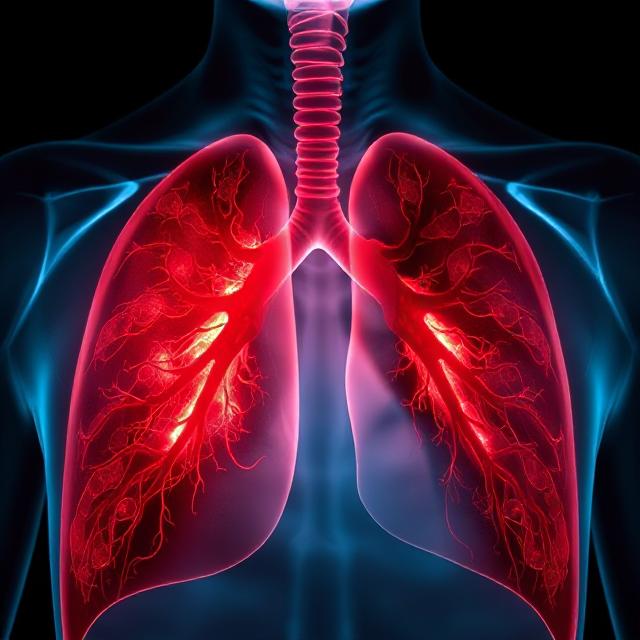
Lung Cancer
Lung cancer is a type of cancer that begins in the lungs. Your lungs are two spongy organs in your chest that take in oxygen when you inhale and release carbon dioxide when you exhale. Lung cancer is the leading cause of cancer deaths worldwide.
Types of Lung Cancer
Lung cancer is broadly classified into two main types:
- Small Cell Lung Cancer (SCLC): A less common but more aggressive type of lung cancer. It tends to spread quickly.
- Non-Small Cell Lung Cancer (NSCLC): The most common type of lung cancer. It includes several subtypes such as adenocarcinoma, squamous cell carcinoma, and large cell carcinoma.
Risk Factors
Several factors can increase the risk of developing lung cancer, including:
- Smoking (both current and past smoking)
- Exposure to secondhand smoke
- Exposure to radon gas
- Exposure to asbestos and other carcinogens
- Family history of lung cancer
- Previous radiation therapy to the chest
- HIV infection
Symptoms
Symptoms of lung cancer often don't appear until the disease is advanced, but may include:
- A persistent cough that worsens or doesn't go away
- Chest pain
- Shortness of breath
- Wheezing
- Coughing up blood
- Hoarseness
- Unexplained weight loss
- Fatigue
- Bone pain
- Headache
Diagnosis
Diagnosing lung cancer may involve several tests and procedures:
- Imaging Tests: Chest X-ray, CT scan, MRI, PET scan.
- Sputum Cytology: Examining mucus coughed up from the lungs under a microscope.
- Biopsy: Removing a sample of suspicious tissue for laboratory analysis. This can be done through bronchoscopy, mediastinoscopy, needle biopsy, or surgical biopsy.
Treatment
Treatment options for lung cancer depend on the type and stage of the cancer, the patient's overall health, and other factors. Common treatments include:
- Surgery: Removing the cancerous tissue. Options include wedge resection, lobectomy, or pneumonectomy.
- Radiation Therapy: Using high-energy rays to kill cancer cells. This can be external beam radiation or brachytherapy.
- Chemotherapy: Using drugs to kill cancer cells throughout the body.
- Targeted Therapy: Using drugs that target specific abnormalities in cancer cells.
- Immunotherapy: Helping the body's immune system fight cancer.
Treatment plans are often multidisciplinary, involving pulmonologists, oncologists, surgeons, radiation oncologists, and other specialists.
Dr. Sugandha Arya's Expertise
Dr. Sugandha Arya is a skilled surgical oncologist who is experienced in the surgical management of lung cancer. Her focus is on providing comprehensive care, utilizing advanced surgical techniques to achieve the best possible outcomes for her patients. She works collaboratively with a multidisciplinary team to ensure personalized and effective treatment strategies for individuals with lung cancer.
Contact Information
Dr. Sugandha Arya - Leading Lung Cancer Treatment in Faridabad
Accord Superspeciality Hospital
Budena Village, Sector 86, Faridabad, Haryana 121002
Phone: 098686 32726