
Head and Neck Cancer
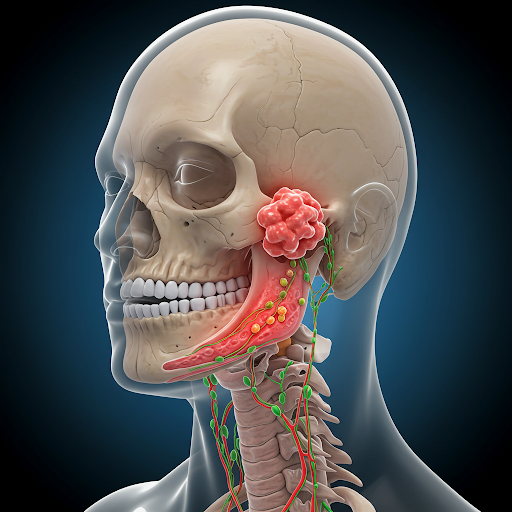
Head and Neck Cancer
Head and neck cancer is a broad term that encompasses a variety of cancers that start in the head and neck area. These cancers can begin in the:
- Oral cavity (mouth, including the tongue, gums, and lips)
- Pharynx (throat, including the nasopharynx, oropharynx, and hypopharynx)
- Larynx (voice box)
- Nasal cavity and paranasal sinuses
- Salivary glands
Most head and neck cancers are squamous cell carcinomas, which develop in the lining of the moist surfaces of the head and neck.
Risk Factors
Several factors can increase the risk of developing head and neck cancer, including:
- Tobacco use (smoking and smokeless tobacco)
- Excessive alcohol consumption
- Human papillomavirus (HPV) infection, particularly HPV-16
- Poor oral hygiene
- Exposure to certain workplace substances
- Radiation exposure to the head and neck
Symptoms
Symptoms of head and neck cancer can vary depending on the location and stage of the cancer. Some common signs and symptoms include:
- A lump or sore that does not heal
- A persistent sore throat
- Difficulty swallowing (dysphagia)
- Changes in the voice or hoarseness
- Ear pain
- A lump in the neck
- Unexplained weight loss
- Bleeding from the mouth or nose
- Bad breath that doesn't go away
Diagnosis
Diagnosing head and neck cancer typically involves a physical exam, imaging tests (such as X-rays, CT scans, MRI scans, and PET scans), and a biopsy to examine tissue samples under a microscope.
Treatment
Treatment for head and neck cancer depends on several factors, including the type and stage of the cancer, its location, and the patient's overall health. Common treatment modalities include:
- Surgery: To remove the tumor and surrounding tissue. Reconstruction surgery may be necessary to restore function and appearance.
- Radiation therapy: Using high-energy rays to kill cancer cells.
- Chemotherapy: Using drugs to kill cancer cells throughout the body.
- Targeted therapy: Using drugs that target specific molecules involved in cancer cell growth and survival.
- Immunotherapy: Helping the body's immune system fight cancer.
Treatment plans are often multidisciplinary, involving a team of specialists such as surgeons, radiation oncologists, medical oncologists, and other healthcare professionals.
Dr. Sugandha Arya's Expertise
Dr. Sugandha Arya is a highly skilled surgical oncologist with expertise in head and neck oncosurgeries, including complex reconstruction procedures. Her commitment is to achieve oncological clearance while prioritizing functional and aesthetic outcomes for her patients. She employs the latest surgical techniques and works as part of a multidisciplinary team to provide comprehensive and personalized care for individuals with head and neck cancer.
Contact Information
Dr. Sugandha Arya - Best Surgical Oncologist in Faridabad
Accord Superspeciality Hospital
Budena Village, Sector 86, Faridabad, Haryana 121002
Phone: 098686 32726